Dagala Thousand Lakes Trek

Trek deep intoalpine nature

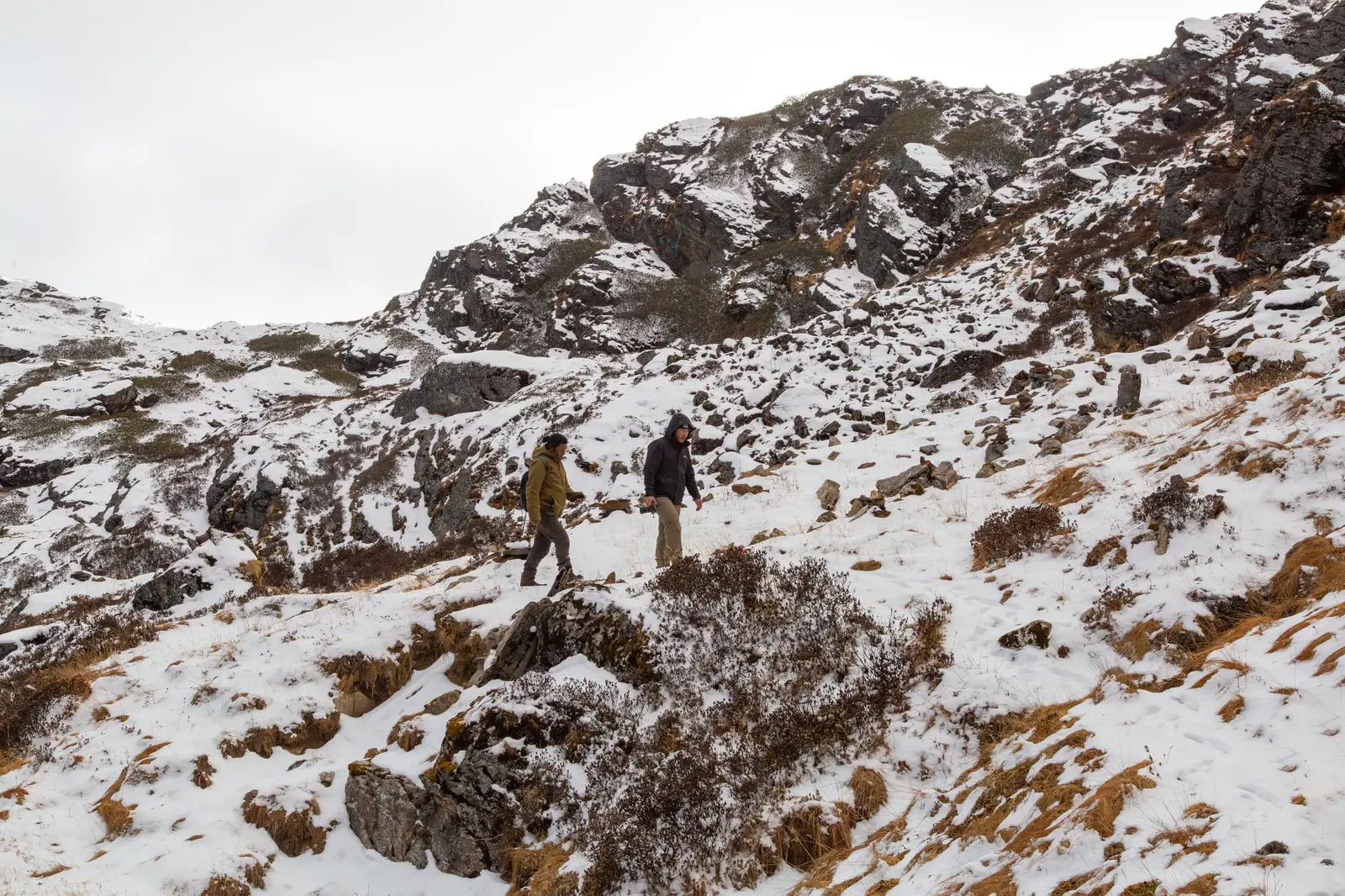
Dagala Thousand Lakes Trek, photo 1
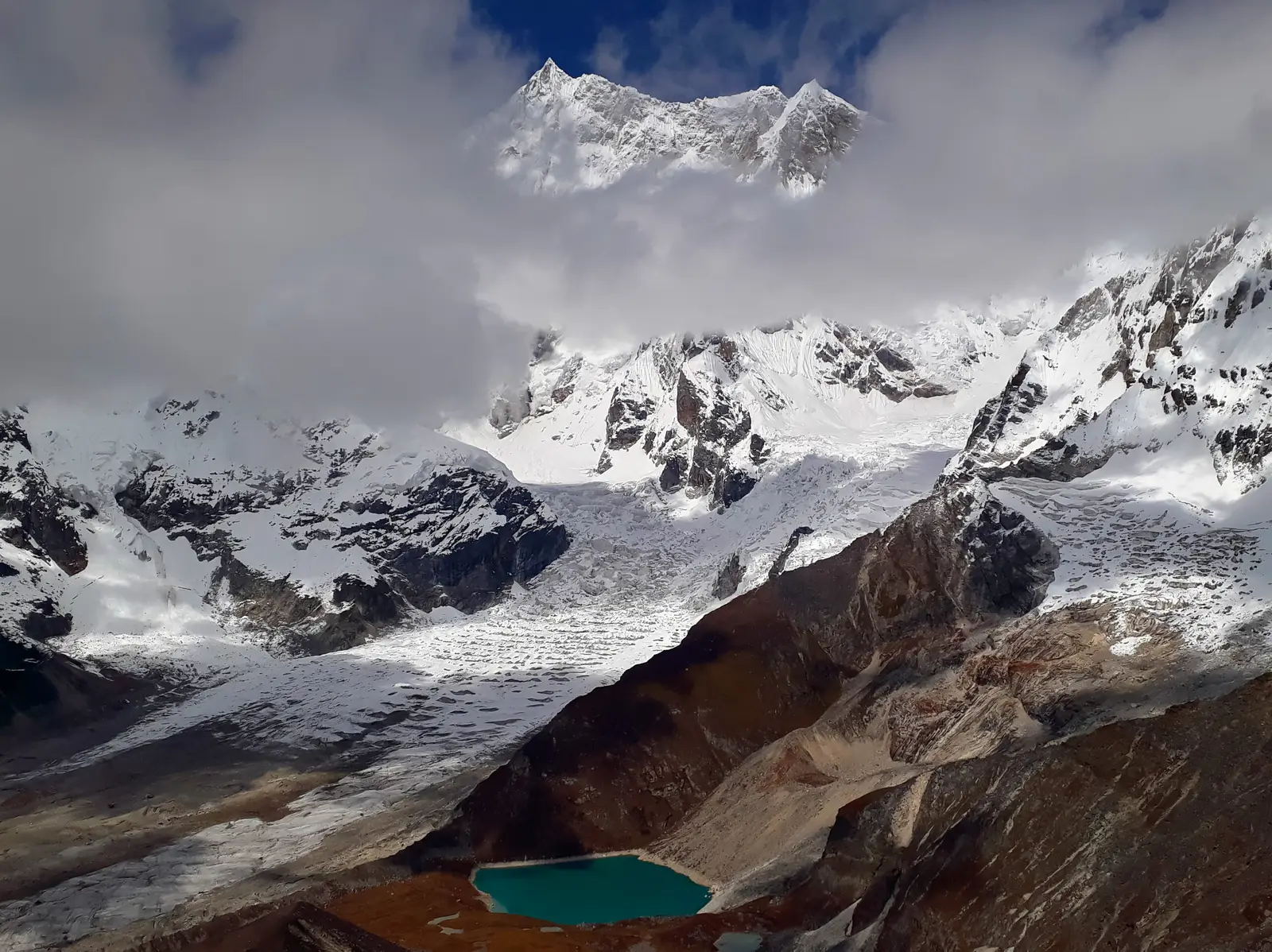
Dagala Thousand Lakes Trek, photo 2
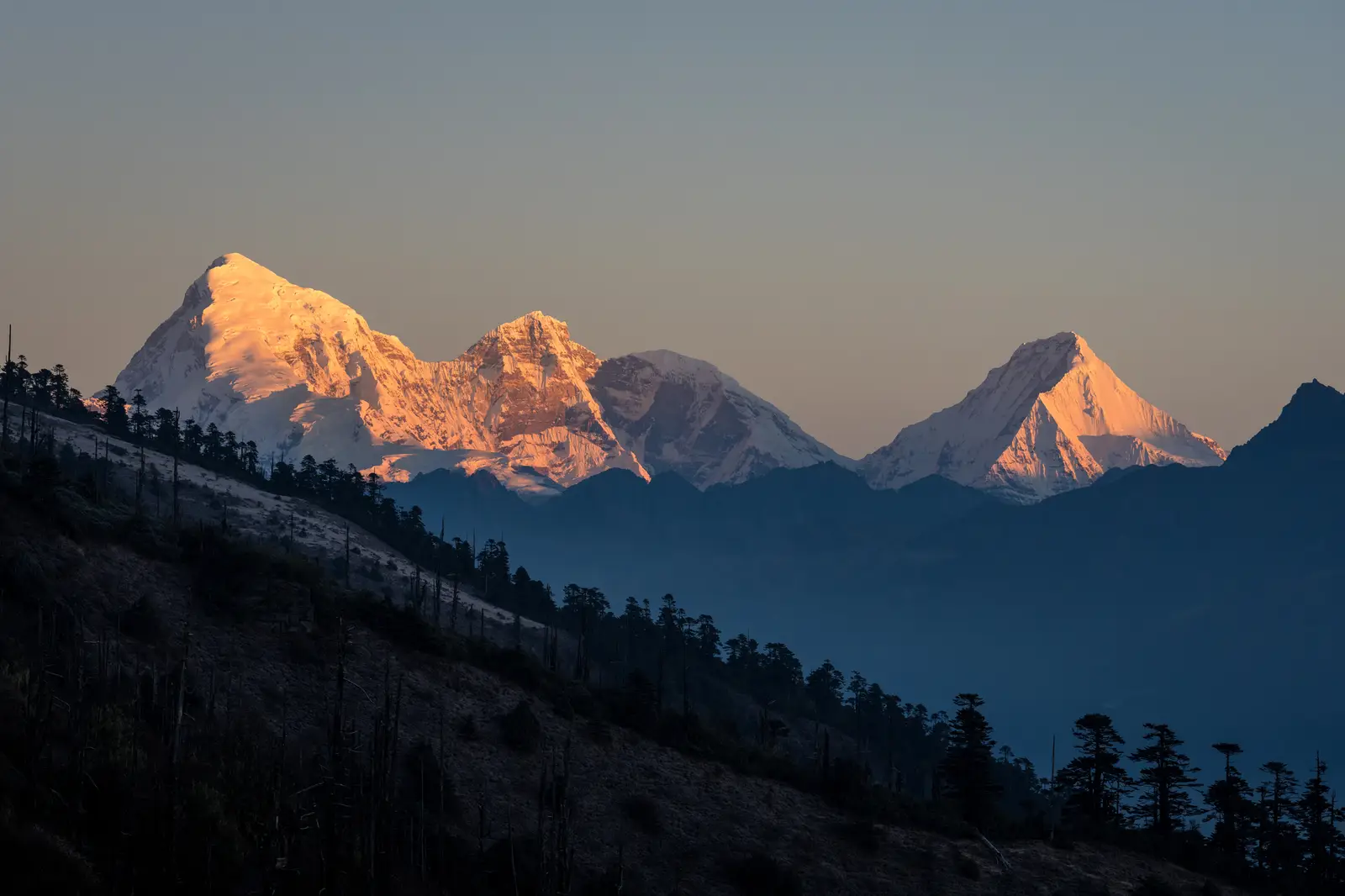
Dagala Thousand Lakes Trek, photo 3

Tour cost: USD 2,410

Dagala Thousand Lakes Trek

Where Alpine Lakes Meet Bhutan’s Wild Mountain Heart

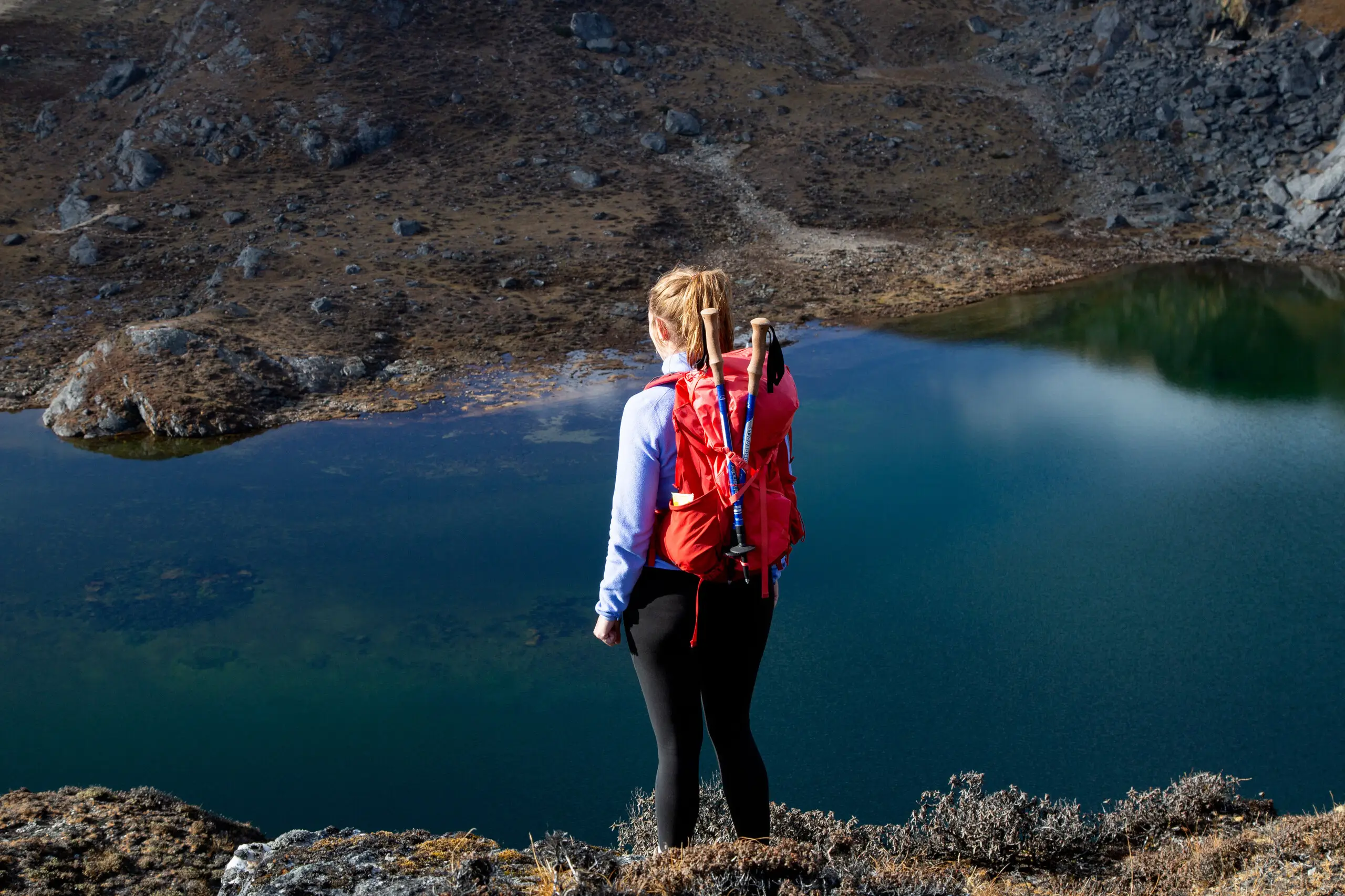
Few treks in Bhutan bring you so close to the beauty of the high mountains as the Dagala Thousand Lakes Trek. The trail unfolds across alpine slopes filled with dazzling wildflowers, passes numerous high altitude lakes and leads through open landscapes where yaks graze near the stone houses of yak herders. As you move higher, the scenery changes with every stretch, revealing lakes, rugged terrain and expansive mountain surroundings. The trek offers a refreshing escape into Bhutan’s high country, where the landscape and traditional mountain life remain closely connected.

The trek reaches a maximum elevation of 4,700 meters, while the highest campsite stands at 4,300 metres. Along the route, you can enjoy stunning views of the Himalayan mountain peaks and surrounding landscape. These high elevations, combined with the varied terrain, alpine lakes and peaceful surroundings, make the Dagala Thousand Lakes Trek a memorable high altitude journey through Bhutan.

Best season

Spring | April – June
Spring brings fresh color to the Dagala trail. Rhododendrons bloom across the mountains, while alpine flowers brighten the meadows and greener landscapes. The air feels fresh as the trail climbs towards the high altitude lakes. It is a beautiful season for travelers who want to experience Dagala at its most colorful and lively.
Autumn | September – November
Spring brings fresh color to the Dagala trail. Rhododendrons bloom across the mountains, while alpine flowers brighten the meadows and greener landscapes. The air feels fresh as the trail climbs towards the high altitude lakes. It is a beautiful season for travelers who want to experience Dagala at its most colorful and lively.

Itinerary

  1. Day 01: Arrival Paro

    Upon arrival at Paro International Airport, your local tour executive will greet you and welcome you to Bhutan. After a brief introduction, you will transfer to your hotel and take some time to refresh. Later, begin your first cultural exploration of the picturesque Paro Valley with a visit to the National Museum. Housed in the historic Ta Dzong, the museum displays an impressive collection of Bhutanese treasures, including traditional artwork, cultural objects and weapons from earlier centuries. It offers a gentle introduction to the country’s history, art and heritage before you continue your sightseeing.

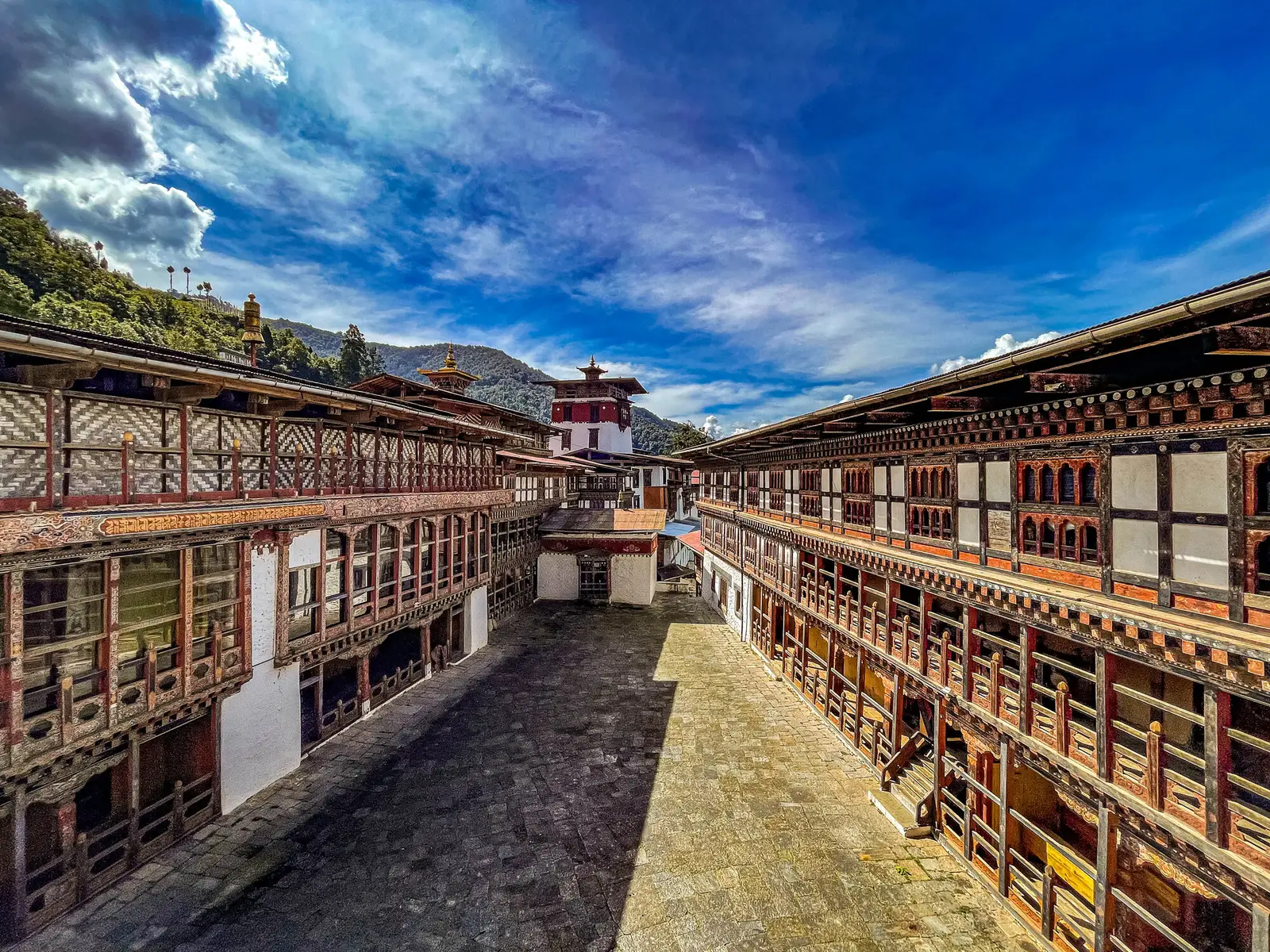
    From the museum, take a short downhill walk of around ten minutes to Paro Rinpung Dzong, meaning Fortress on the Heap of Jewels. Built by Lama Zhabdrung in 1645, this impressive fortress provides your first introduction to Bhutan’s distinctive dzong architecture. Continue downhill to the parking area before driving into Paro town, a small township that still retains its village character while embracing contemporary development within traditional Bhutanese architecture.

  2. Day 02: Hike To Tiger’s Nest

    04Km | 05Hrs | 369m Ascent | 369m Descent | Alt.m 2950m

    Start reasonably early today for one of Bhutan’s most memorable walks, the hike to Tiger’s Nest. Rising around 915 meters above the Paro Valley floor, the monastery clings dramatically to a granite cliff and remains one of Bhutan’s most spectacularly located sacred sites. The trail climbs steadily through the forest, making the hike an uphill challenge that generally takes around three to four hours at an average pace. Take your time along the way, enjoying the changing views as the trail gains elevation. On reaching the monastery, your guide will share information about this remarkable place and its significance.

    After exploring Tiger’s Nest, return down the trail and continue to Kyichu Lhakhang, one of Bhutan’s oldest temples. Built in the seventh century by the Tibetan King Songtsen Gampo, it belongs to the same period as Jambay Lhakhang in Bumthang. The temple forms part of Bhutan’s early Buddhist heritage and offers a fitting conclusion to your day.

  3. Day 03: Paro – Gyenekha – Kebchen

    07Km | 04Hrs | 369m Ascent | 369m Descent | Campsite Alt.m 3300m

    After a leisurely breakfast at your hotel, leave Paro and drive towards the remote village of Gyenekha in Thimphu District. Follow the main road before turning onto the farm road for approximately eight kilometers, continuing uphill until you reach Gyenekha Primary School. From here, a short descent brings you to a small riverbank where you meet your trekking team and prepare to begin the first stage of your mountain journey. Once everything is ready, cross the suspension bridge and start walking towards the campsite.

    Today’s trail covers approximately seven kilometers and gradually climbs through the landscape towards Gur, where you spend your first night in the mountains. The steady ascent allows you to settle into the rhythm of the trek without covering excessive distance on the opening day. Your campsite sits among abundant wildflowers and is surrounded by giant fig and juniper forest. The area also serves as a winter pasturing ground for yaks, giving you an early glimpse into the seasonal life of Bhutan’s highland communities.

Map

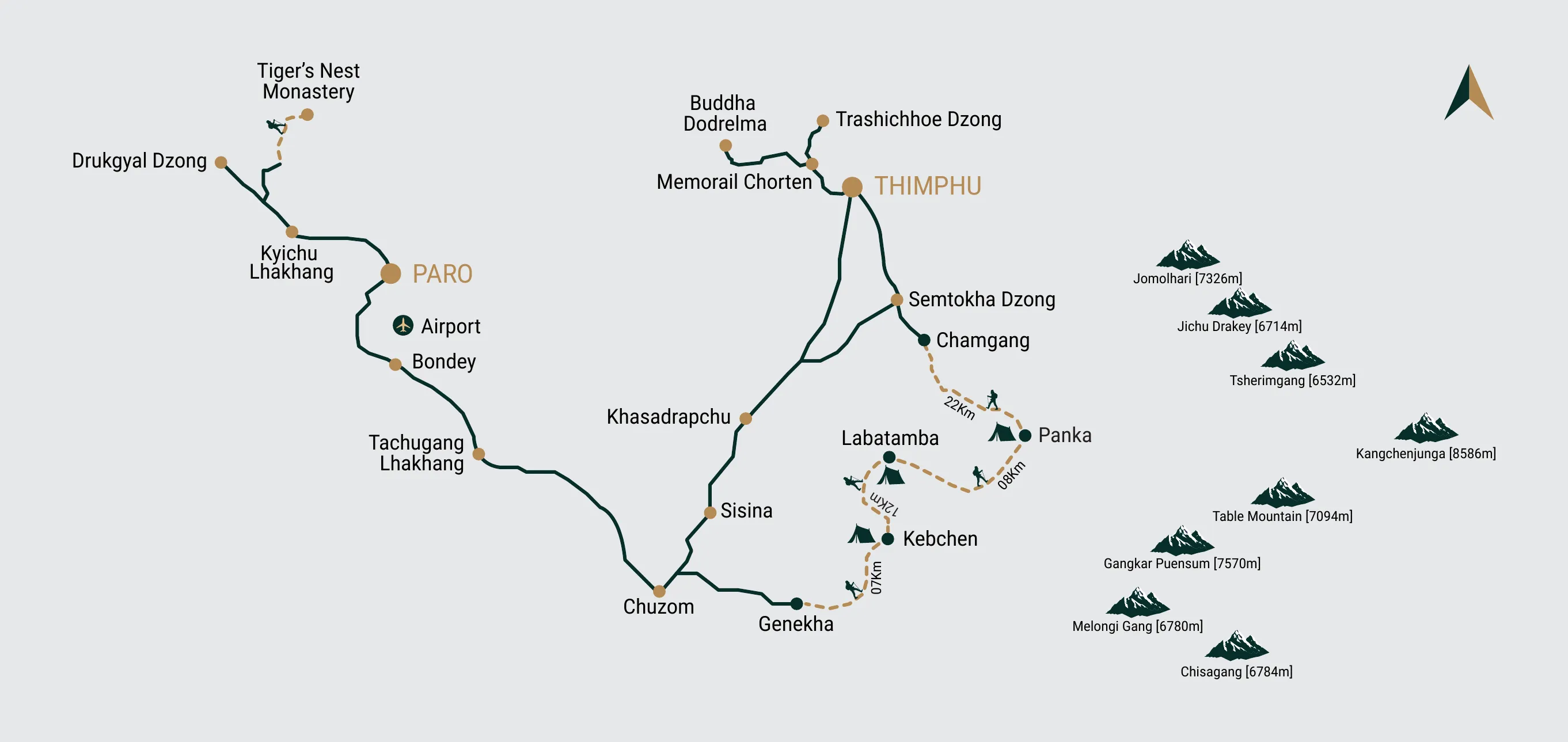
Route map of the Dagala Thousand Lakes Trek
The experience

Find your rhythm on the trail

Days on Dagala are wonderfully simple. Wake with the mountains, have breakfast, lace up your boots and start walking. Some climbs will test you, while quieter stretches let you settle into your own rhythm. Walk steadily, stop when you want to, and let the landscape set the pace.

Step into mountain life

For a few days, the usual comforts stay behind. You camp in the high mountains, share meals after a day on the trail and wake to cold, clear mornings. You may meet yak herders along the way and catch glimpses of a way of life shaped by the seasons.

Leave the everyday behind

There are no roads, traffic or busy schedules up here. Just open mountains, changing skies and the sound of your own footsteps. As the days pass, you naturally slow down. You stop checking the time, notice more around you and remember how good it feels to simply be somewhere.

Essentials

Fitness & preparation

Dagala asks you to walk for several hours each day, often over steep and uneven ground. You do not need to be an athlete, but good fitness will make the experience more enjoyable. Build your stamina before arriving with regular walks, hills or hikes, and give yourself time to find your rhythm.

What to pack

Pack for changing mountain weather rather than one perfect forecast. Bring sturdy trekking shoes, warm layers, waterproof outerwear, sun protection, a reusable water bottle and personal essentials. Keep your daypack comfortable and practical. Your guide can also help you understand what you need for the days spent camping.

Altitude & acclimatisation

The trail climbs into higher elevations, and altitude affects everyone differently. Walk steadily, drink plenty of water and give your body time to adjust. Do not push through unusual symptoms just to keep up. Tell your guide how you feel, and follow their advice throughout the trek.

Trail & weather

Mountain conditions can change quickly, so prepare for more than one kind of day. You may encounter rocky paths, muddy ground, steep sections or slippery trails after rain. Good footwear makes a real difference. Carry suitable layers and waterproof protection, and take your time when the trail becomes challenging.

Camping & comfort

Dagala gives you a few nights in the mountains, where comfort comes in a simpler form. Expect tents, basic camp facilities, cold evenings and mornings, and meals prepared along the trail. Come ready to embrace the outdoors rather than expecting hotel comforts. That simplicity is part of what makes the trek memorable.

Inclusions

Inclusions on trek

  • Licensed trekking guide
  • Trekking crew and support staff
  • Camping equipment and tents
  • Sleeping bags and mattresses
  • All meals during the trek
  • Drinking water
  • Pack animal support for trekking equipment and supplies
  • Trekking permits and required official fees
  • Camp setup and meals prepared by the trekking crew
  • Trekking briefing and safety support

General inclusions in Bhutan

  • Airport transfers
  • Private transportation throughout the journey
  • Accommodation as per the agreed itinerary
  • Meals as specified in the itinerary
  • Bhutan visa and applicable processing arrangements
  • Sustainable Development Fee
  • Sightseeing and entrance fees included in the itinerary
  • Bottled or filtered drinking water during travel
  • Government taxes and applicable service charges

Ready to follow the trail?

Take the high road into Bhutan’s mountain wilderness, where turquoise lakes, open meadows and endless horizons await.

Make it yours

Where will your curiosity take you?

Tell us what you’re looking for. We’ll help you create the journey

Connect with expert