Laya Gasa Trek

Explore Bhutanwild highlands

Laya Gasa Trek, photo 1
Laya Gasa Trek, photo 2
Laya Gasa Trek, photo 3

Tour cost: USD 4,735

Laya Gasa Trek

Trek deeper into Bhutan’s mountain wilderness

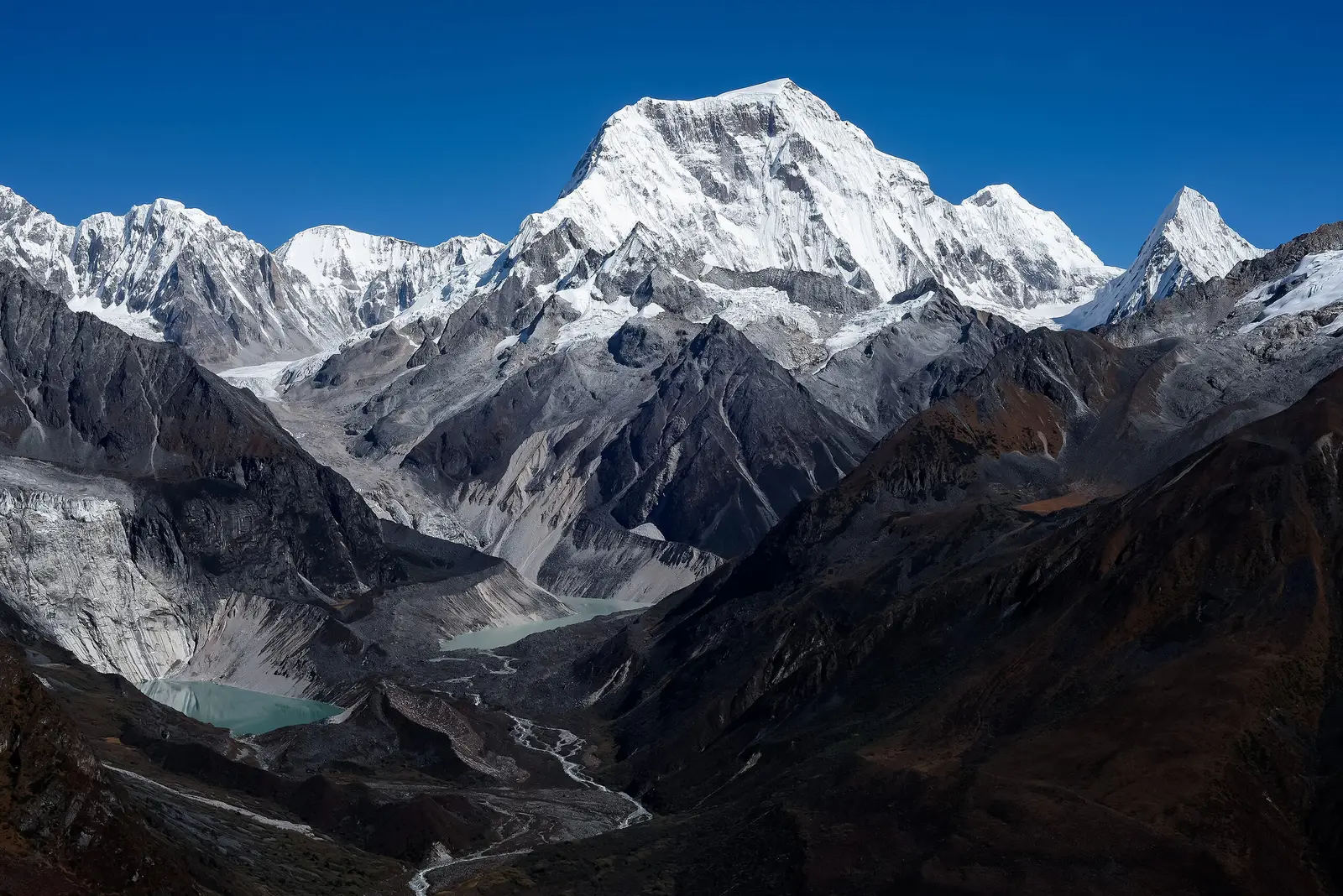
The Laya Gasa Trek is one of the most popular trekking routes in Bhutan, taking you deep into the country’s remote northern landscapes. The journey begins at the tiny village of Gunitsawa in the northern end of Paro Valley and is rated medium hard. As the trail climbs and descends through changing terrain, you will enjoy striking views of Mt. Jomolhari, Mt. Jichu Drakey, Mt. Tsherimgang and Mt. Masagang, along with many other Himalayan peaks. Meadows filled with wildflowers give way to forests of fir, pine, juniper and rhododendron, creating a constantly changing backdrop for this classic Bhutan trekking experience.

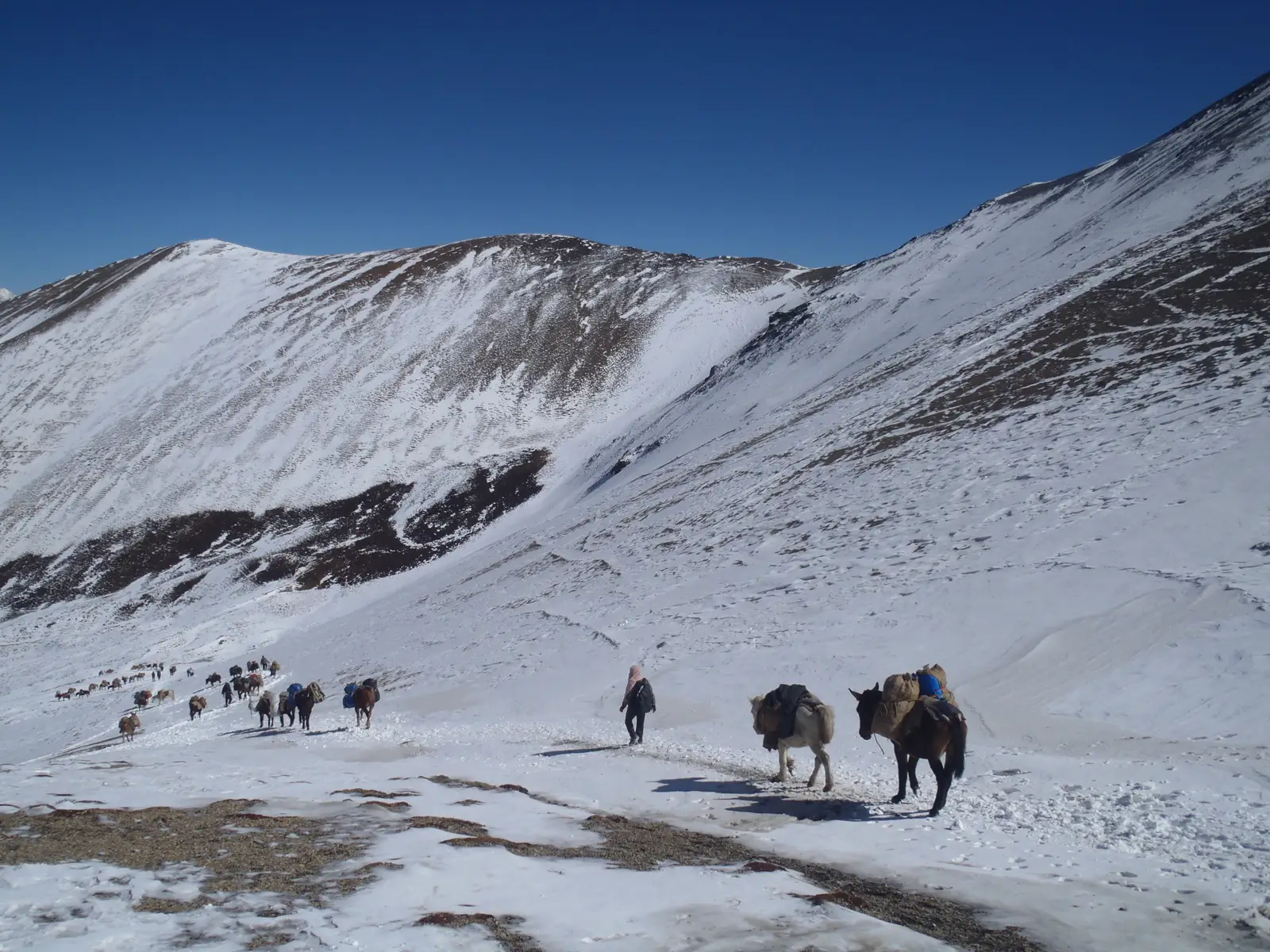
High altitude yak herders, their yaks and scattered nomadic villages add a rare glimpse into mountain life along the route. You may also spot high altitude wildlife, including blue sheep and Bhutan’s national animal, the Takin. For the best conditions, plan your Laya Gasa Trek between April and June or September and November.

Best season

Spring | April – June
Spring brings favourable conditions for the Laya Gasa Trek, with the mountain landscape coming alive after winter. Rhododendrons add colour to the forests, while alpine meadows begin to open along the higher sections. This season offers a rewarding combination of comfortable trekking conditions and beautiful Himalayan scenery.
Autumn | September – November
Autumn offers another excellent window for the Laya Gasa Trek, with generally clear mountain views and crisp conditions along the trail. As you cross high passes and travel towards Laya and Gasa, the changing landscapes stand out beneath open skies. The season suits trekkers seeking classic high altitude trekking in Bhutan.

Itinerary

  1. Day 01: Arrival At Paro

    Your flight into Bhutan begins the journey with a spectacular introduction to the Himalayas. As the aircraft approaches Paro, look towards the horizon for views of some of the world’s great mountain ranges, including glimpses of Mt. Everest and Mt. Kangchenjunga. After landing at Paro International Airport, your local guide will meet you and welcome you to Bhutan. Following a short introduction, you will drive to your hotel and settle in.

    Keep the rest of the day easy. After your journey, take time to rest, explore your surroundings at your own pace, or simply enjoy your first quiet moments in Bhutan. There is no rush to begin exploring. This gentle arrival allows you to recover from your flight and prepare for the adventure ahead. Tomorrow, you begin with a hike to one of Bhutan’s most iconic landmarks, Tiger’s Nest.

  2. Day 02: Hike To Tiger’s Nest

    04Km | 05Hrs | 369m Ascent | 369m Descent | Alt.m 2950m

    After breakfast, drive north of Paro town towards the trailhead for your hike to Tiger’s Nest. The trail climbs steadily through pine forest, leading towards the monastery dramatically perched on a cliff above Paro Valley. The ascent takes around three to four hours, rewarding your effort with one of Bhutan’s most extraordinary cultural landmarks. Tiger’s Nest remains one of the Himalayas’ most important pilgrimage sites.

    According to legend, Guru Padmasambhava arrived here on the back of a tigress and meditated in a cave for three months. The monastery was later built in 1694. After exploring the sacred site, retrace your steps and return to Paro. If time permits, stop at historic Kyichu Lhakhang, one of Bhutan’s oldest temples, before settling back at your hotel.

  3. Day 03: Hotel - Sharna – Thangthanka

    Elevation: 3570m | Walking Distance: 22Km | Walking Time: 09Hr

    After an early breakfast, drive towards Drukgyel Dzong, around 16 kilometres from Paro. Take time to explore the atmospheric ruins of this historic fortress, whose story reaches back to the seventeenth century. Built to defend Bhutan against invading forces from Tibet, Drukgyel Dzong earned its name from the victorious battles fought here. From the ruins, look towards the majestic pyramid shaped summit of Mt. Jomolhari, revered in Bhutanese tradition as the abode of the goddess Jomo.

    Continue north towards Gunitsawa village, where the trekking journey begins. The trail leads towards Soi Thangthanka, taking you through a changing landscape of meadow, juniper, medicinal plants, and dense Himalayan forest. Oak, rhododendron, fir, and birch surround the route as you make a series of ascents and descents. Eventually, the forest opens into a meadow where camp awaits, with Mt. Jomolhari appearing when skies remain clear.
Map

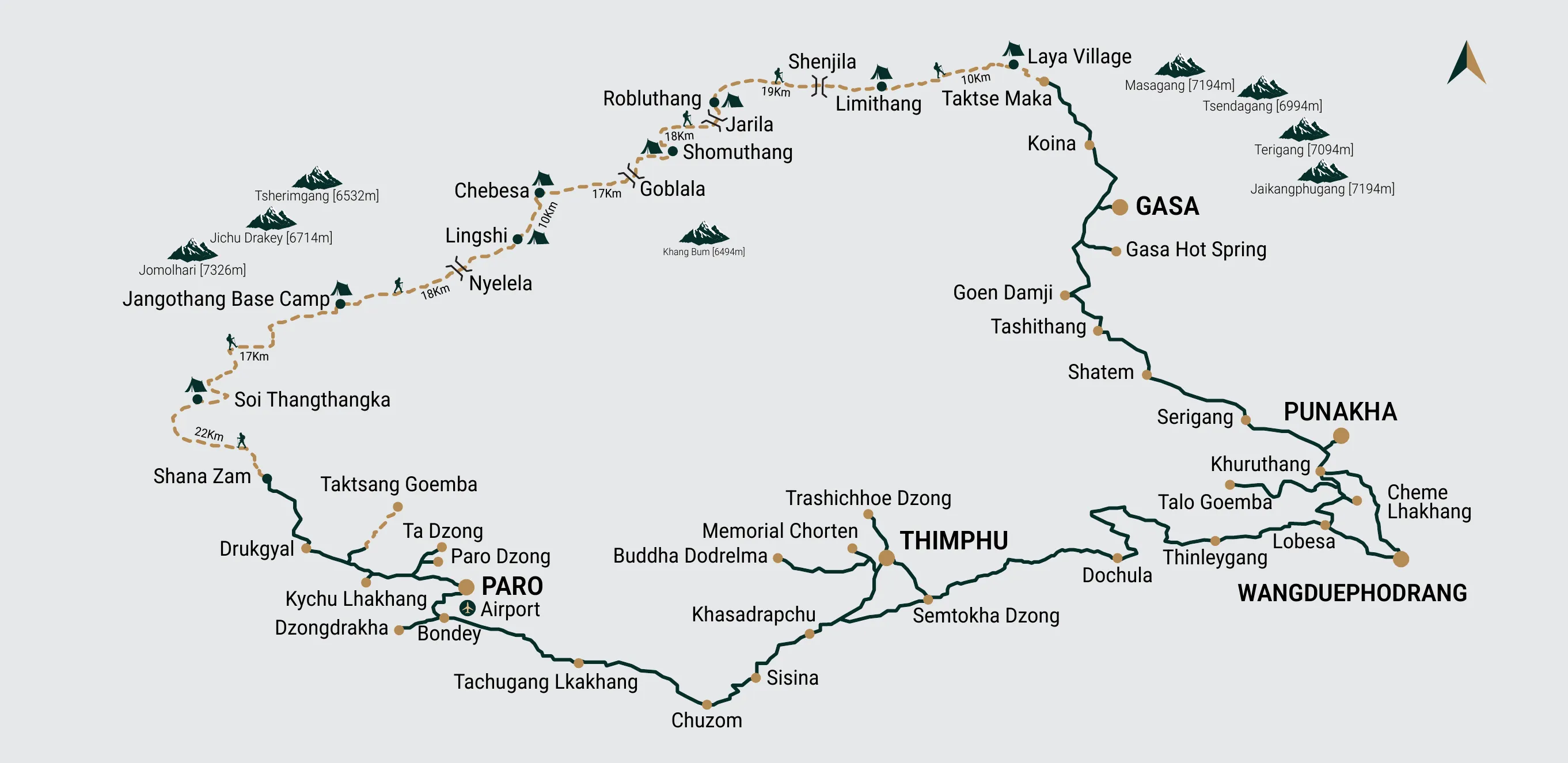
Route map of the Laya Gasa Trek
The experience

From Jomolhari to Laya

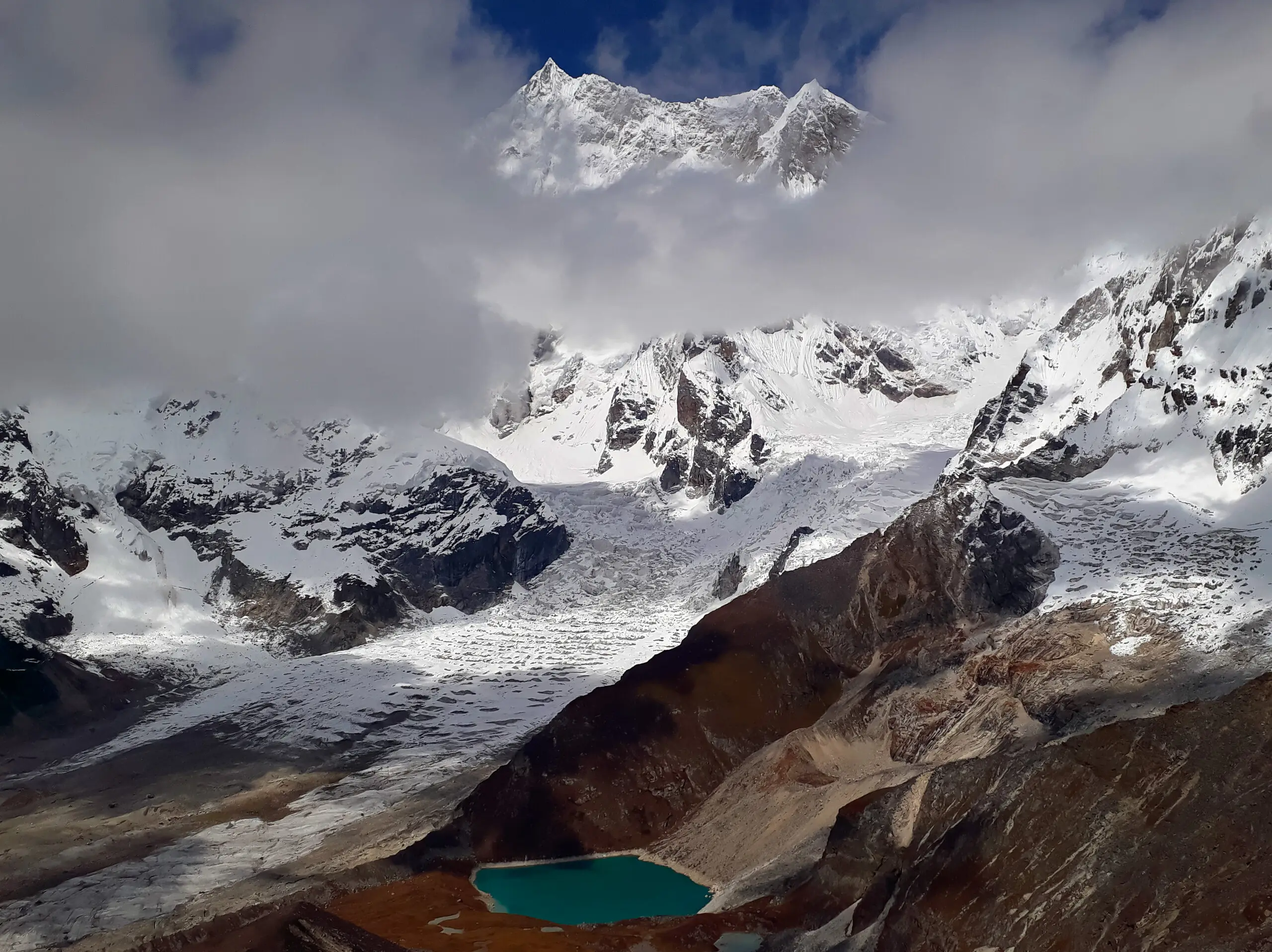
Leave Gunitsawa behind and follow the trail deep into the Jomolhari region, where high passes and demanding climbs lead towards Laya. Look out across the Himalayas for Mt. Jomolhari, Mt. Jichu Drakey, Mt. Tsherimgang and Mt. Masagang. Every ascent rewards the effort with a bigger, wilder view.

Meet the people of Laya

Reach the remote mountain communities around Laya, where yak herders and their herds move through high-altitude pastures. Scattered nomadic villages bring you closer to life in Bhutan’s northern mountains. The people, animals and landscape make Laya more than a stop on the route - they become part of the journey.

Wilderness all the way to Gasa

Continue towards Gasa through forests of fir, pine, juniper and rhododendron, then emerge into open meadows dotted with wildflowers. Watch for blue sheep and Takin along the trail as the landscape changes with altitude. Reaching Gasa brings a rewarding close to a trek shaped by wilderness, altitude and adventure.

Essentials

Trek difficulty

Prepare for a medium hard trek that combines walking days, steep ascents, descents and high mountain passes. The Laya Gasa route demands reasonable fitness and a steady pace, particularly at higher elevations. Build your rhythm gradually, conserve energy, and let the trail set the pace as you journey through Bhutan’s mountains.

High altitude

It takes you deep into Bhutan’s mountain country, where altitude shapes the experience. Walk steadily, stay hydrated, and listen to your body as you climb. Give yourself time to adjust while your guide helps manage the pace, so you can enjoy the route without pushing beyond your limits.

Weather & seasons

Plan the trek between April and June or September and November, when conditions suit the route. Mountain weather can change quickly, so prepare for different conditions along the trail. Pack suitable layers and rain protection as you move between forests, open meadows, high passes and remote valleys alike.

Remote trail

Expect long stretches away from roads, towns and everyday conveniences as you travel towards Laya and Gasa. The remote setting defines much of this trek, so carry what you need and prepare to travel simply. Embrace the slower rhythm, open landscapes and sense of distance that make northern Bhutan special.

What to pack

Pack practical trekking essentials for changing mountain conditions, including sturdy walking footwear, warm layers, rain protection and personal necessities. Keep your daypack comfortable for long hours on the trail. Prepare thoughtfully, carry only what you need, and leave space to enjoy the Himalayan landscapes, wildlife and mountain communities you encounter.

Inclusions

Inclusions on trek

  • Licensed trekking guide
  • Trekking crew and support staff
  • Camping equipment and tents
  • Sleeping bags and mattresses
  • All meals during the trek
  • Drinking water
  • Pack animal support for trekking equipment and supplies
  • Trekking permits and required official fees
  • Camp setup and meals prepared by the trekking crew
  • Trekking briefing and safety support

General inclusions in Bhutan

  • Airport transfers
  • Private transportation throughout the journey
  • Accommodation as per the agreed itinerary
  • Meals as specified in the itinerary
  • Bhutan visa and applicable processing arrangements
  • Sustainable Development Fee
  • Sightseeing and entrance fees included in the itinerary
  • Bottled or filtered drinking water during travel
  • Government taxes and applicable service charges

Ready to follow the trail?

Ready to follow the trail beyond the ordinary? Let’s shape your Laya Gasa adventure around your pace, curiosity, and spirit.

Make it yours

Where will your curiosity take you?

Tell us what you’re looking for. We’ll help you create the journey

Connect with expert